Interactive graphics – from websites to digital art
05-01-2026
Basics of interactivity
Graphics that respond to the actions of the recipient are now a standard in the design of websites and mobile applications. Elements such as animations that respond to cursor movement or clicks make the user experience more engaging and memorable.
Interactivity also allows you to better convey substantive content, and at the same time allows you to personalize the message. User input is increasingly being used to dynamically change the appearance or functionality of graphics. Examples are infographics presenting current market indicators or weather data visualizations reacting to the recipient's location.
In the sphere of digital art, artistic projects are created that adapt their appearance to the viewer's behavior or even their emotions. One of the key areas of development is the creation of online galleries with works of art that respond to the presence of the user. Such solutions make it easier to present the works of creators from different parts of the world and allow you to reach a wide audience. Art Lounge Plus, as a modern graphic platform, allows artists to exhibit their works in such interactive virtual spaces.|
Among the most important applications of interactive graphics, the following can be distinguished:
- personalization of content according to the recipient's preferences,
- visualization of financial or scientific data,
- Creating an online gallery with movement-responsive art.
The development of this field contributes to increasing audience engagement and expands the possibilities of visual communication in marketing and education.
WebGL and JavaScript libraries
Advanced graphics platforms use the latest tools to generate 3D graphics directly in a web browser. These are WebGL and JavaScript libraries.
WebGL is a technology that provides 3D graphics rendering using the user's computer hardware without the need to install additional software. JavaScript libraries, on the other hand, are the foundation of modern graphic solutions available online. The most popular are Three.js, Babylon.js or PixiJS. They allow you to easily create 3D scenes, animate objects or integrate special effects that respond to user actions. This allows artists and website developers to design unique visual experiences available globally.
These technologies support not only the presentation of works of art - they are also used when selling collectible NFTs and organizing auctions of digital exhibits. It is thanks to such solutions that it is possible to conduct NFT auctions through platforms such as Art Lounge Plus, which offer comprehensive transaction services between artists and collectors. The use of these technologies has opened up new perspectives for digital creators:
- Fast rendering of complex 3D models
- access to effective animations without the need to install plugins,
- collaboration of artists on one online project.
Digital art and installations
Interactive digital art redefines the way audiences experience artwork. Installations using motion sensors, touch screens or augmented reality technology allow the viewer to actively participate in the creative process. Virtual galleries allow you to present your work on a global scale, regardless of the physical constraints of the exhibition space.
The growing popularity of online galleries opens up new opportunities for artists and curators. Platforms such as Art Lounge Plus offer the exhibition of works in interactive 3D environments and the organization of exhibitions available around the clock. This allows creators to build relationships with international audiences without having to travel.
Contemporary multimedia installations often integrate a variety of technologies: real-time visualisations, surround sound or mechanisms involving participants via mobile devices. Digital art not only presents images, but also triggers emotions and social dialogue through interaction. Projects based on blockchain and NFTs are also becoming more and more common. Creators have a chance to monetize their works thanks to auctions run by platforms such as the Art Lounge Plus graphic platform. This makes it easier to sell unique digital works to collectors from all over the world.
Marketing and user experience
Interactive graphics have become an indispensable tool for building audience engagement in both commercial marketing and visual culture. Dynamic content that responds to user actions increases the time spent on a website by up to 47%, according to data from global UX agencies.
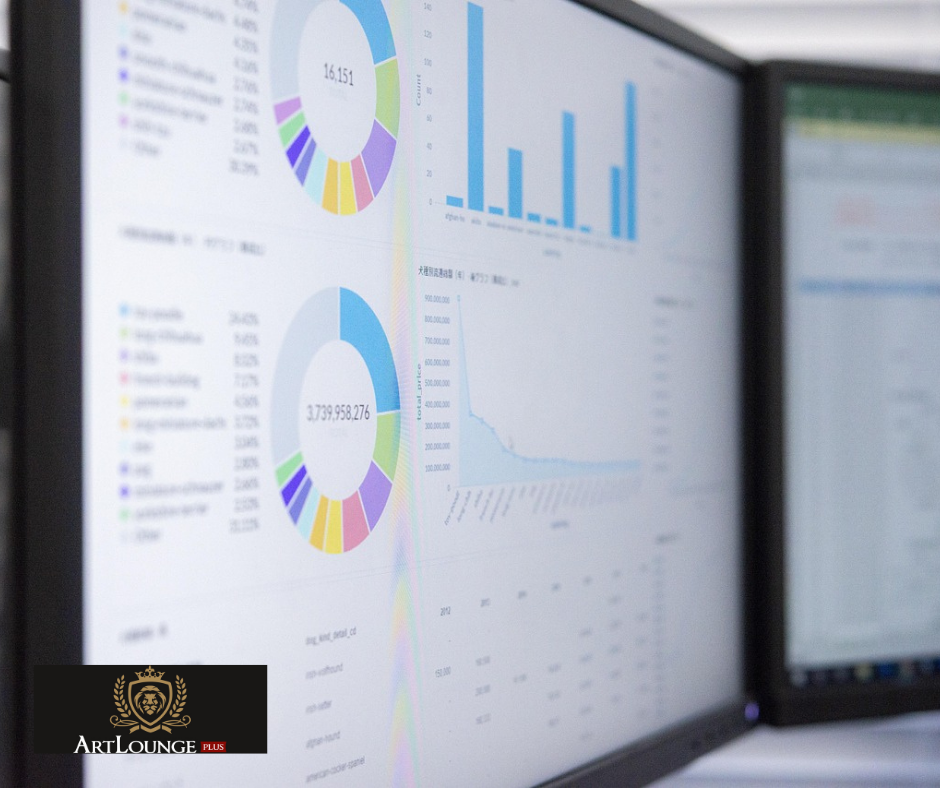
Personalization of the message possible thanks to behavior analysis leads to an increase in the conversion rate. Companies are increasingly willing to use advanced analytical tools to evaluate the effectiveness of campaigns using interactive graphics. An example is the dashboards available to artists and marketers within graphic design platforms that help monitor interest in specific NFT projects or collections.
The user experience also takes on a new dimension thanks to the immersive nature of visual content. The interface based on graphic elements adapts smoothly to the preferences of the recipient - from colors to modes of exploring the work or product online. Such solutions facilitate access for people with different cognitive and motivational needs.
Key benefits of using interactive graphics include:
- increase in audience engagement,
- longer contact time with the brand or work of art,
- precise targeting of the advertising message.
The dynamics of the development of graphic tools opens up wide prospects for innovation for artists and marketers. The integration of digital art with technology contributes to the emergence of new forms of expression and business models based on NFTs or the analysis of the collector's market. Platforms like Art Lounge Plus are shaping the future of the global creative ecosystem. Interactive graphics become a bridge between the world of art and business.